Jamaica and Caribbean Brace for “Super El Niño” Threat

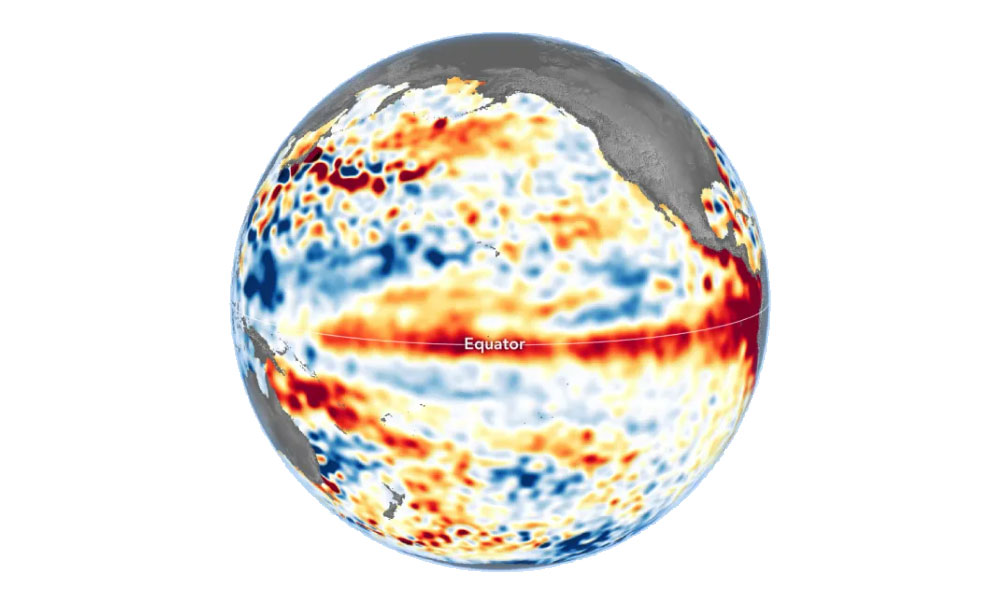
A developing “Super El Niño” climate pattern could bring severe drought conditions to Jamaica and parts of the Caribbean in 2026, while also contributing to dangerous weather extremes across Latin America, according to information shared by the Red Cross and Red Crescent Climate Centre.
Weather models indicate that temperatures in the central Pacific Ocean could rise between 2°C and 3°C above historical averages this year.
Scientists note that an El Niño event is officially declared once ocean temperatures rise just 0.5°C above normal levels, making the current projections unusually strong.
The rapid transition from La Niña cooling conditions to intense warming has prompted humanitarian agencies, including the International Federation of Red Cross and Red Crescent Societies (IFRC), to increase preparedness efforts across vulnerable regions.
For Jamaica, Central America and much of the Caribbean, the greatest concern is reduced rainfall and prolonged dry conditions. El Niño events in the region are typically associated with irregular and below-average rainfall patterns, which can threaten agriculture, water supplies and food security.
The Red Cross warned that water shortages can also increase public health risks linked to access to safe water and sanitation.
Although strong El Niño events have historically been associated with fewer Atlantic hurricanes, forecasters and humanitarian officials are cautioning against complacency.
The warning comes less than a year after Hurricane Melissa devastated parts of the Caribbean and Atlantic region. Melissa, which reached 190 mph winds and tied as the strongest storm ever measured in the Atlantic basin, highlighted how a single powerful cyclone can cause catastrophic damage regardless of overall seasonal storm numbers.
Despite projections for fewer Atlantic storms during El Niño years, a single major hurricane could still exacerbate existing vulnerabilities in Jamaica’s infrastructure, agriculture, housing and economy.
The Red Cross also noted that warming ocean temperatures and shifting wind patterns could create favourable conditions for storm development in the Pacific basin.
Across South America, El Niño is expected to produce sharply contrasting conditions. Colombia, Venezuela and northern Brazil could experience hotter and drier weather with elevated wildfire risks, while southern Brazil, Uruguay, northern Argentina and central Chile may face heavier-than-normal rainfall.
The IFRC says its primary approach to the developing climate threat is anticipatory action — taking steps before disasters occur in order to reduce potential impacts.
The Climate Centre is working with national Red Cross societies to strengthen Early Action Protocols that allow emergency funding and response measures to be triggered once scientific warning thresholds are reached.
According to the organisation, the objective is to strengthen preparedness, protect vulnerable households and reduce humanitarian impacts before El Niño conditions intensify further.
Remember to share this article on Facebook and other Social Media Platforms. To submit your own articles or to advertise with us please send us an EMAIL at: [email protected]




Post Comment