Vaz Signals Possible 2027 Start for Jamaica’s Offshore Oil Drilling

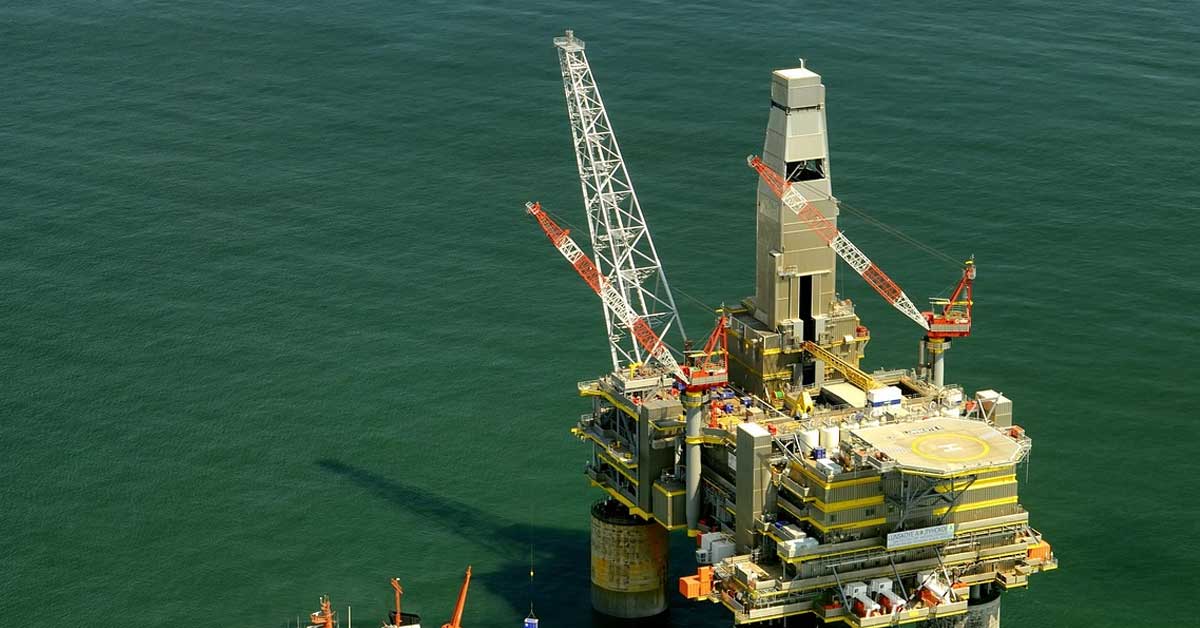
Jamaica could begin drilling for oil by late 2027 or early 2028, based on current projections outlined by Energy Minister Daryl Vaz, though several critical steps must be completed before any such activity gets underway.
Before reaching that stage, the process will require environmental and social impact assessments, stakeholder consultations, and formal Cabinet approval, all of which are necessary before drilling can proceed.
The minister indicated that while there is growing momentum, the country has not yet confirmed commercially viable oil reserves. He explained that only traces of hydrocarbons have been identified so far, pointing to scientific indicators rather than confirmed deposits.
Those findings came from a geo-chemical survey conducted offshore St Thomas by United Oil and Gas, which detected hydrocarbons in seabed samples — a development typically associated with potential petroleum presence.
Advancing to the drilling phase will depend heavily on financing. Estimates suggest that a single well could cost between US$60 million and US$80 million, with projections indicating that approximately 14 wells may be required. As a result, the Government is actively seeking international partners to fund the venture.
Vaz noted that, while the financial requirements are substantial locally, they are considered relatively modest within the global oil industry.
He also pointed to increased engagement from major industry players, indicating that United Oil and Gas has already begun discussions with potential investors. According to the minister, the level of interest now being observed marks a noticeable change compared to the previous year.
At present, the company holds an exploration licence only, meaning additional negotiations with the Government will be required before any drilling agreement is finalised.
Officials have described the survey results as a step forward in evaluating Jamaica’s offshore energy potential, while maintaining that significant work remains before any extraction becomes viable.
The findings form part of ongoing efforts to assess whether offshore resources could contribute meaningfully to the country’s future economic development.
Remember to share this article on Facebook and other Social Media Platforms. To submit your own articles or to advertise with us please send us an EMAIL at: [email protected]




Post Comment