Can Jamaica Ever Become a Serious Oil-Producing Nation?

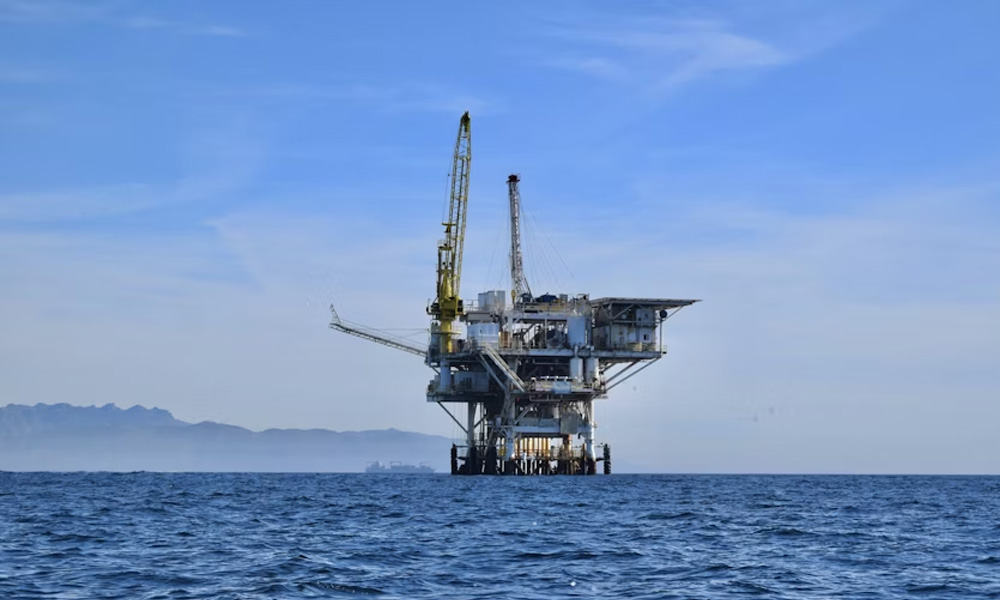
There’s a question that keeps quietly resurfacing every few years in Jamaica — could this small Caribbean island one day become a serious oil-producing nation?
For decades, the idea has hovered somewhere between hope, skepticism and national curiosity. Many Jamaicans grew up hearing whispers about oil offshore, only for the conversation to fade again. But lately, the discussion feels different.
With continued offshore exploration activity, renewed investor attention, and growing global demand for energy security, Jamaica’s oil story may no longer be just a fantasy people joke about in taxis and barbershops.
Still, the big question remains: can Jamaica realistically become an oil-producing country on a meaningful scale?
The honest answer is… maybe. But nobody should expect an overnight transformation into another Guyana or Saudi Arabia.
What makes Jamaica’s situation interesting is geography. The island sits within a region where hydrocarbon systems are known to exist. Exploration companies involved in Jamaican waters have repeatedly pointed to data suggesting the potential presence of petroleum systems offshore, particularly in deep-water areas south of the island.
That alone does not guarantee commercial oil reserves. Many countries have geological promise but never discover economically viable quantities. Exploration is expensive, slow and risky. One successful drill can change a country’s future, while multiple dry wells can bury excitement for another decade.
But there are reasons investors continue paying attention.
One of the biggest signals is that companies are still willing to spend money studying Jamaican waters. In business, especially oil exploration, companies rarely continue investing where they see absolutely no potential.
Recent offshore surveys and technical studies have kept the conversation alive, especially among investors watching Jamaica’s southern offshore basin. The possibility of a commercial discovery — even a modest one — is enough to attract speculation because Jamaica currently imports nearly all of its fuel.
That dependence affects everything.
Electricity costs remain high. Transportation costs remain high. Manufacturing costs remain high. The entire economy feels the pressure whenever global oil prices rise.
A domestic oil industry, even a moderate one, could potentially shift parts of that equation over time.
But Jamaicans also need to be realistic.
Oil alone does not magically create prosperity. Plenty of resource-rich countries remain plagued by corruption, inequality and economic instability. A discovery without strong governance can sometimes create more problems than benefits.
Jamaica would need strict transparency, proper management and long-term planning from day one.
There’s also the environmental side of the debate. Jamaica’s economy depends heavily on tourism, beaches and marine ecosystems. One major offshore spill could damage the country’s image and coastline for years. Any future oil industry would need extremely high safety standards, especially given the island’s dependence on the sea.
At the same time, many Jamaicans are pragmatic.
As one man in St. Ann recently put it:
“If wi can produce even likkle oil fi help lower energy cost and strengthen di economy, why wi fi ignore dat?”
That sentiment reflects how many people feel. Most Jamaicans are not dreaming about becoming a flashy oil superpower. They simply want lower living costs, more jobs, stronger infrastructure and greater economic stability.
And perhaps that’s the healthier way to look at it.
Instead of imagining Jamaica suddenly becoming “the next Dubai,” the smarter conversation may be about whether oil — if commercially discovered — could become one useful piece of a broader national strategy alongside tourism, agriculture, logistics, renewable energy and technology.
Because the reality is this: Jamaica’s future probably should not depend entirely on oil.
But if meaningful reserves are eventually discovered offshore, the country would be foolish not to carefully explore the opportunity.
For now, Jamaica remains a nation of possibility rather than proven petroleum wealth.
Still, the fact that the conversation refuses to die says something important.
Deep down, many Jamaicans believe the island may still be sitting on something valuable beneath the sea.
Contributor: Gary Bramwell
Remember to share this article on Facebook and other Social Media Platforms. To submit your own articles or to advertise with us please send us an EMAIL at: [email protected]




Post Comment