Jamaica to Apply GCT on Airbnb Properties from April 2027

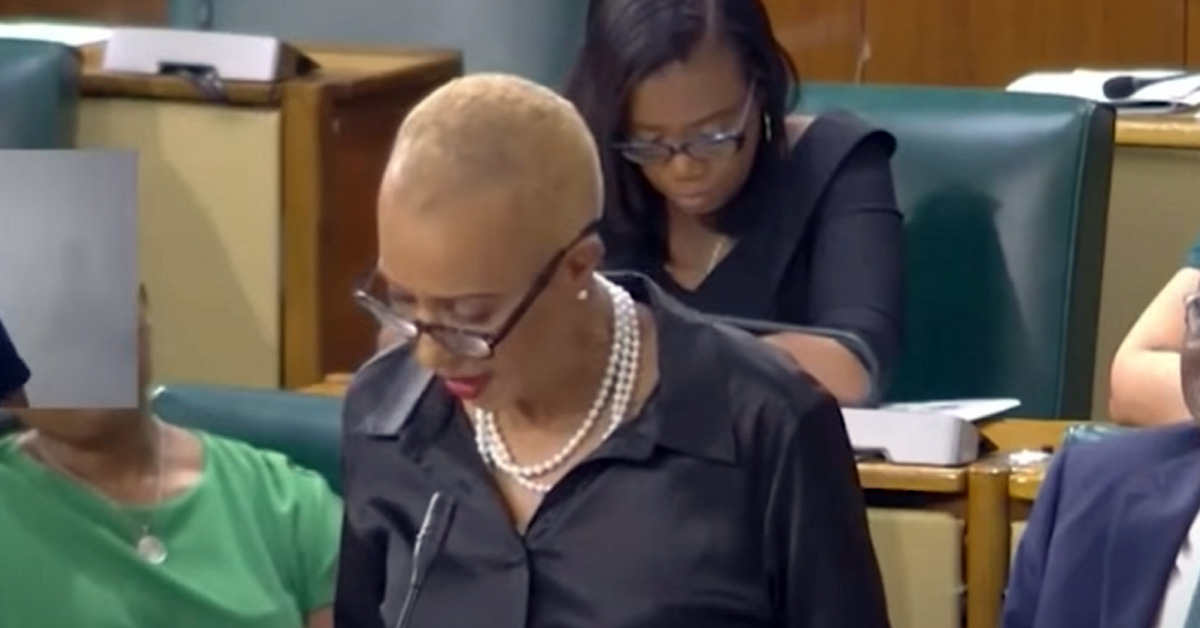
Lawmakers have signed off on a suite of revenue measures designed to boost government income, including new taxes targeting multiple sectors as the country navigates post-hurricane financial pressures.
The package forms part of a broader fiscal response following Hurricane Melissa, which has increased expenditure demands while maintaining the need for essential public services.
Among the approved changes is the inclusion of short-term rental accommodations within the General Consumption Tax framework, meaning operators in this segment will become taxable starting April 1, 2027. This adjustment effectively introduces a new category of taxpayers that was previously outside the system, based on clarifications raised during parliamentary deliberations.
The decision also aligns with concerns from established hotel operators, who have for years pointed to uneven regulatory treatment between traditional accommodations and short-term rental platforms. By extending taxation to these properties, the Government is moving to bring them more directly in line with the wider tourism industry.
Further revisions to the tax structure will see tourism-related GCT moving from 10 per cent to 15 per cent, also taking effect on April 1, 2027. Additional measures approved include increased taxes on alcohol and cigarettes, revised motor vehicle duty concessions, and the introduction of a sugar-based tax on sweetened beverages scheduled for May 1, 2026.
During the parliamentary session, Finance Minister Fayval Williams indicated that the measures are intended to strengthen fiscal stability while ensuring the continuity of key services. Discussions also confirmed that operators using platforms such as Airbnb would fall within the scope of the new tax rules.
The approvals were finalised during a lengthy sitting of the House of Representatives that stretched into the early hours of Wednesday, with much of the debate centred on the National Reconstruction and Resilience Authority bill. The tax changes were passed through amendments to the General Consumption Tax schedules and accompanying resolutions tied to the 2026/27 financial year.
Growth within the short-term rental space has been significant in recent years, with figures indicating a rise from 59,500 guests in 2017 to over 800,000 in 2024. Earnings generated by hosts have also expanded sharply, reaching more than $32 billion across Jamaica.
Short-term accommodations are estimated to account for about one-fifth of visitor experiences locally, highlighting the sector’s growing influence within the tourism landscape.
An earlier attempt to introduce mandatory licensing and registration for these operators was brought forward last summer through proposed legislation linked to the Jamaica Tourist Board. That effort did not advance following pushback from stakeholders within the industry.
Tourism Minister Edmund Bartlett had previously positioned that proposal as part of a wider effort to modernise the sector and protect Jamaica’s tourism brand rather than restrict participation.
Remember to share this article on Facebook and other Social Media Platforms. To submit your own articles or to advertise with us please send us an EMAIL at: [email protected]




Post Comment