Parliament Approves $17,000 Minimum Wage Effective July 1

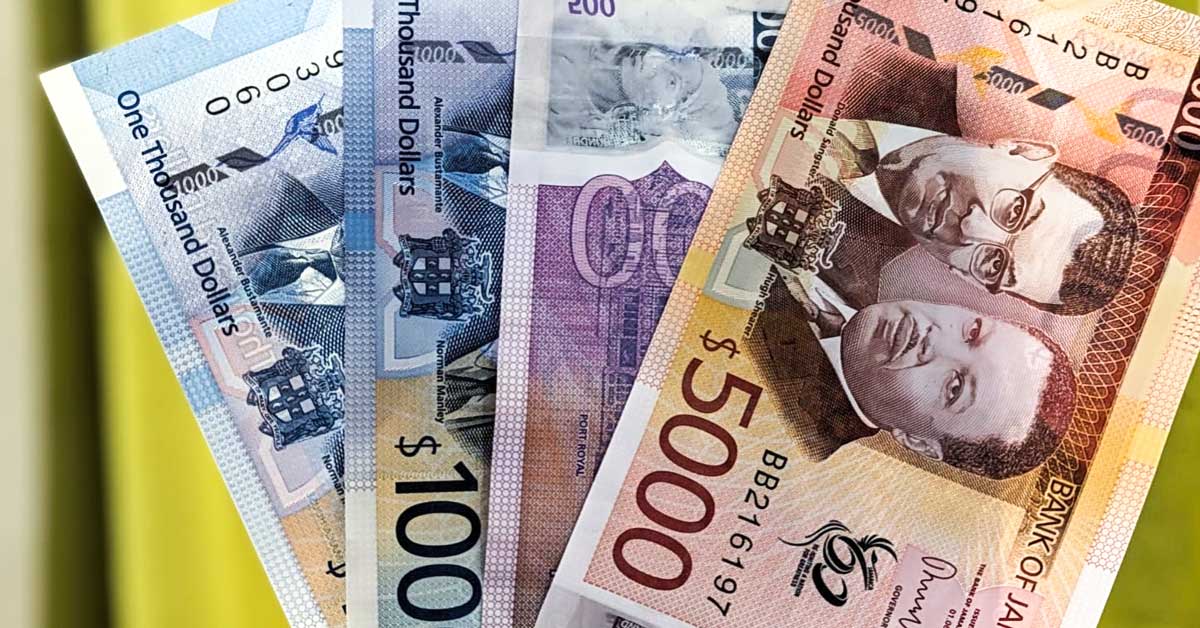
Calls for a shift from a minimum wage to what was described as a livable wage dominated Tuesday’s parliamentary debate, even as lawmakers approved an increase in Jamaica’s wage floor effective July 1.
Opposition MP Dr Dayton Campbell argued that the country’s approach should focus on ensuring workers can adequately cover essentials such as food, housing, utilities and transportation.
He maintained that while Government frequently highlights the percentage growth in the minimum wage since 2016, rising living costs must also be considered. Campbell also urged lawmakers to establish legislation requiring consultations before future wage increases are announced, saying this would prevent the issue from becoming politically driven.
During the debate, Opposition MP Zuleika Jess criticised the size of the approved increase, describing it as insufficient for workers struggling to meet everyday expenses. She also proposed linking the minimum wage to the Consumer Price Index so that adjustments would occur automatically each year rather than through periodic announcements.
Government MP Dennis Gordon also raised concerns, though from the perspective of employers. He pointed out that the increase represented gains only slightly above the prevailing inflation rate and argued that businesses should not face legal penalties for delayed implementation when Government funding is not made available promptly. Gordon said employers continue to shoulder additional expenses, including banking charges, while waiting on budgetary allocations. He serves as Executive Chairman of the JacDen Group of Companies.
Meanwhile, Trelawny Southern MP Marisa Dalrymple-Philibert encouraged parliamentarians who employ minimum wage workers to go beyond the legal minimum by paying what she described as a livable wage. She suggested that lawmakers should demonstrate their commitment through their own employment practices.
The approved Orders will raise the national minimum wage by $1,000, increasing it from $16,000 to $17,000 for a standard 40-hour work week from July 1. The same increase will apply to industrial security guards working a 40-hour week.
Changes were also approved for overtime and holiday work. Overtime pay will increase from $600 to $637.50 per hour, while employees working on rest days or public holidays will receive $850 per hour instead of the current $800.
Minister of Labour and Social Security Pearnel Charles Jr said the adjustment represents the fifth increase implemented by the current Administration. He indicated that the move forms part of broader efforts to improve living standards, strengthen economic security and ensure the country’s progress benefits more Jamaicans, particularly those most in need.
The latest increase comes after Prime Minister Dr Andrew Holness pledged ahead of last year’s general election to raise the minimum wage from $16,000 to $18,500 in the next budget, with a longer-term goal of increasing it to $32,000 over several years. However, during his budget presentation in March, Holness said the effects of Hurricane Melissa, along with higher energy and shipping costs, prevented the larger increase from being introduced at this time.
Remember to share this article on Facebook and other Social Media Platforms. To submit your own articles or to advertise with us please send us an EMAIL at: [email protected]



Post Comment