Living in Iraq: A Jamaican Woman’s Unexpected Journey

When you think of Iraq, what comes to mind?
For many, it’s war, instability, and years of troubling headlines. It’s not often a place people imagine choosing to live, let alone work or building a life. But for Kimberley, a Jamaican teacher, Iraq became exactly that.
Meet Kimberley
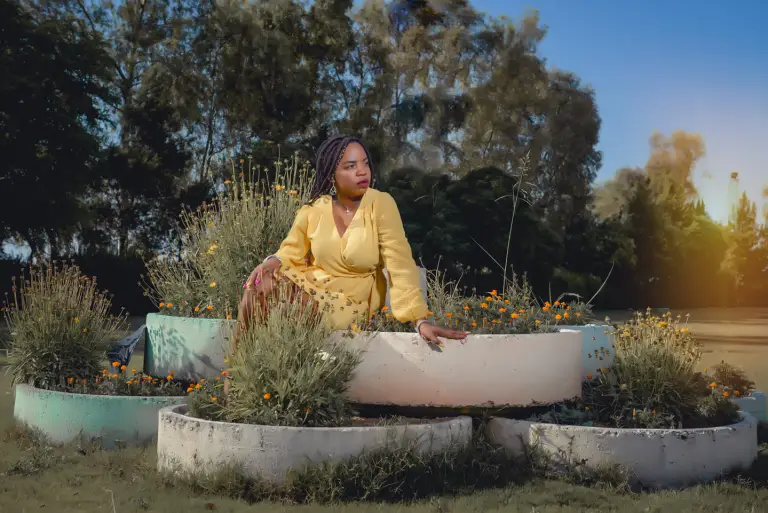
Over the past three years, she has experienced a version of the country that rarely makes international news. One filled with vibrant communities, cultural richness, and surprising moments of joy. Her journey challenges assumptions and raises an important question: how much of what we believe about a place is shaped by distance rather than reality? For Kimberley, the answer begins long before she ever set foot in Iraq. She explains:
When I was younger, I wanted to be a journalist. There was a news correspondent from CBS by the name of Kimberly Dozier who covered the war in Iraq and every time I watched her reporting live, I’d tell my parents that one day I too would go to Iraq to cover the war. Needless to say, I became a teacher and my childhood dream became a “dream deferred”. Then, in 2018, my friend who I met while working at Jamaica College presented me with an opportunity to teach in Kurdistan, Iraq. The way she spoke of the place sounded like a far cry from what I’d seen on the international news growing up, so I decided to go and check it out for myself.
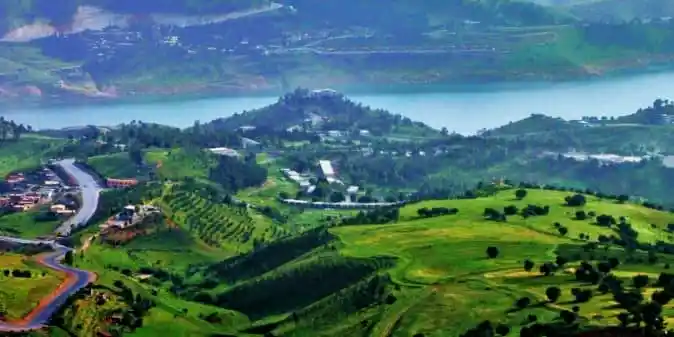
Kimberley describes living in Iraq as a rewarding and fun experience. “The people I have chosen as ‘my people’ have been nothing short of amazing and I love the low cost of living. I am able to shop and eat at my own leisure and pleasure without worrying about burning a hole in my pocket. I’m also a Christian, so living here is like living in Bible days. It’s quite intriguing and beyond my wildest imagination to see historical sites such as the Tigris River (found in Genesis) and the infamous Nineveh.
What stood out the most for you?
Gunshots! Two months after arriving, a group of us were at a restaurant when suddenly there was a loud bang. I wanted to get under the table, but everyone else sat calmly as if they didn’t hear what was happening outside. I was uneasy, so I questioned the waiter and he explained that they were celebrating winning a soccer match. Later, I found out that celebratory gunshots were a common thing and they were fired at weddings, birthdays and other special events.
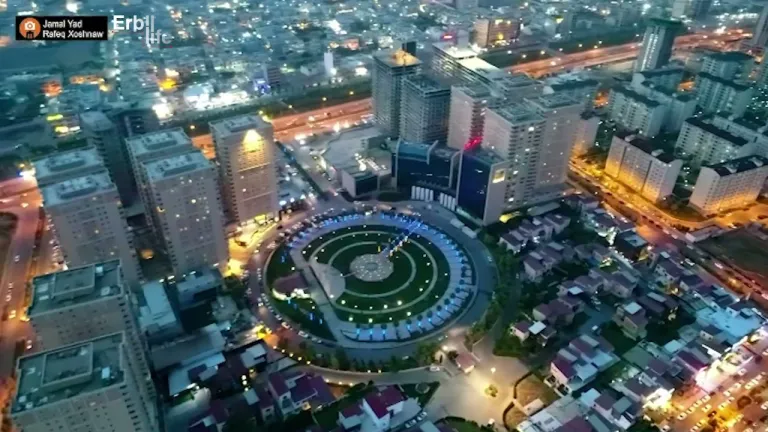
I’m also amazed by how beautiful and peaceful the place is. I thought everywhere would bear the effects of the war, but Kurdistan, unlike Baghdad (the city largely portrayed in the media), is very safe. It comes alive at night with its beautiful array of colourful lights and people walk around freely without fear of being robbed.
When asked if there were similarities between Jamaica and Iraq, Kimberley likened the similarities to the numerous hair and nail salons scattered about, as well as a variety of restaurants, many natural resources, and a rich agricultural sector.
The major differences that she noticed were a lack of beaches, and security checkpoints were set up to enter different parts of the region.
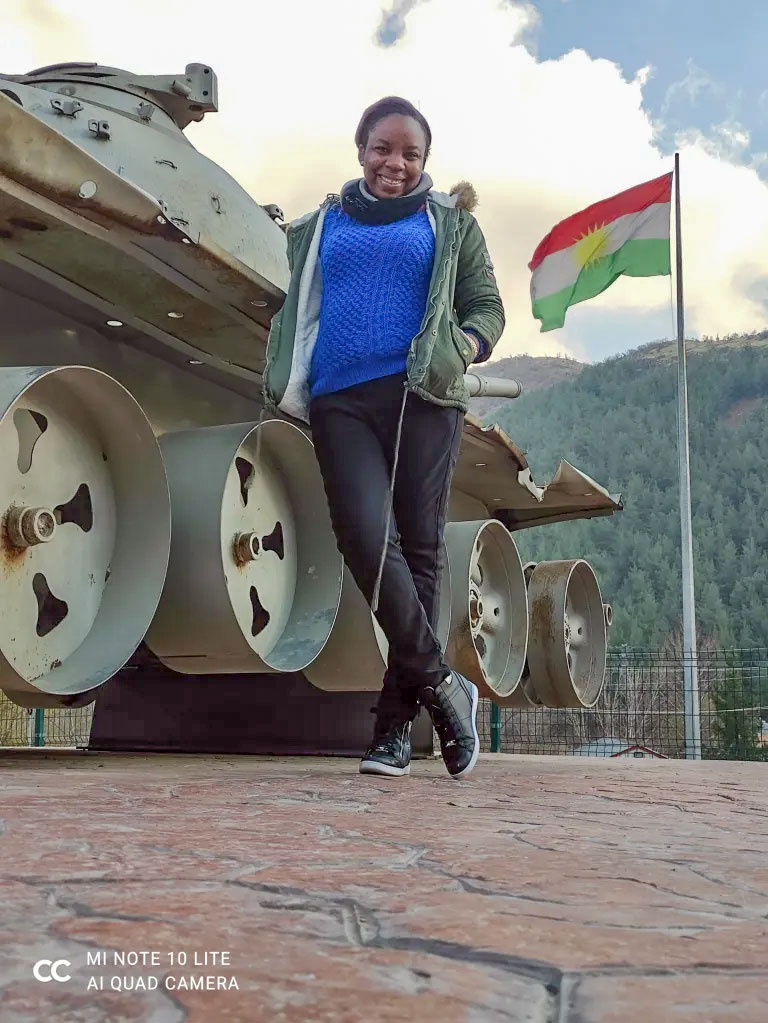
“There are also different methods of cooking (less spicy), extreme weather conditions (too hot or too cold) and limited ability when ordering from sites like Amazon.”
What’s your favourite thing to do in Iraq?
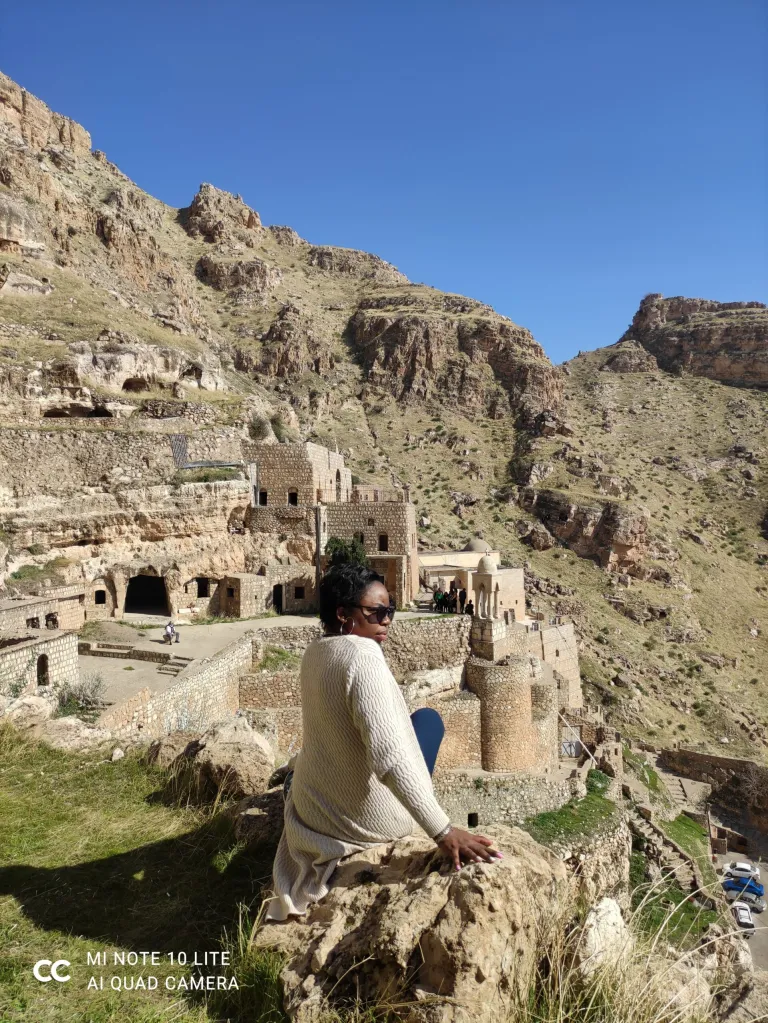
Though there are several sightseeing spots such as the Citadel, and prison tours in Sulaymaniyah, my favorite things to do are dining out (happy hour especially), going to Shaqlawa with my Kurdish friend, and doing tours of different regions.
The Citadel
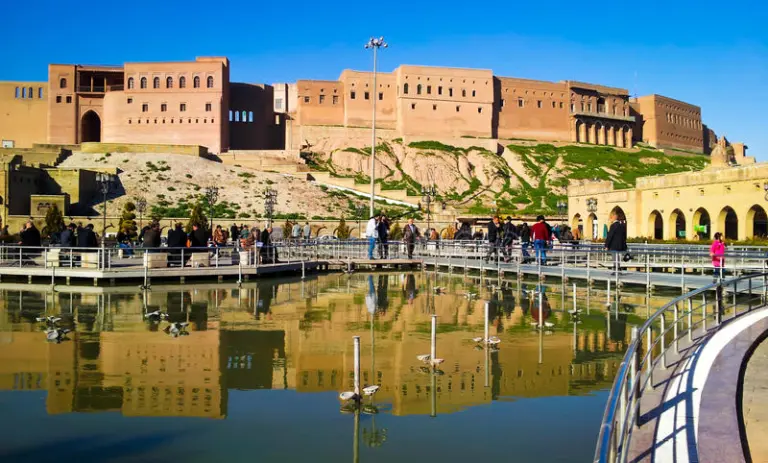
The museum and prison tours in Sulaymaniyah.
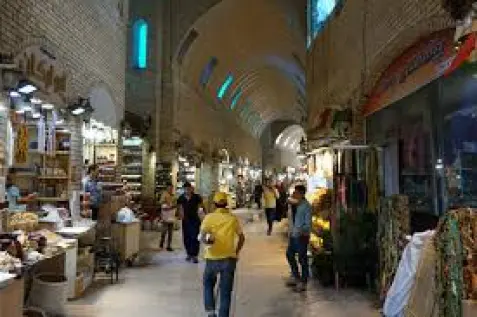
Dining Out
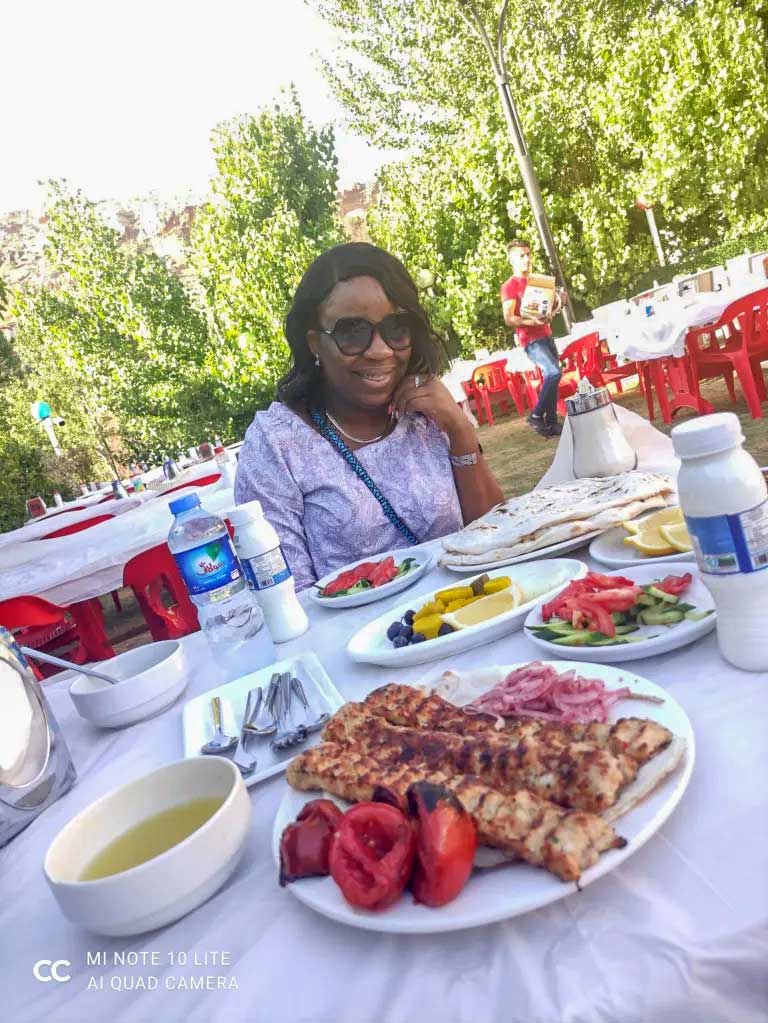
Dating life? Did you have one?
Yes, I did. I dated a wonderful gentleman who I am still friends with.
I was very apprehensive at first because I thought he was one of those Middle Eastern men who treated women like chattel; however, that was far from the truth. I was treated like royalty.
Was he Kurdish?
No. I didn’t date any Kurds while I was there. He was from a neighboring country, and it was fun while it lasted.
Would you change anything about living in Iraq
Yes. I’d put some beaches here for sure!! Also, ease of access to use Amazon.
What aspect of Iraq’s culture would you introduce to Jamaica?
Their low cost of living. I can fill a trolley with $100 USD. This isn’t just for food items, but other household supplies such as cleaning agents, laundry detergent and other toiletries. I was also able to find good quality clothing at extremely low prices (less than $5 USD), and I wouldn’t be able to do that in Jamaica.
What was Iraq like during the COVID-19 Pandemic?
Movement was restricted outside a certain perimeter and soldiers were always on hand to make sure people were complying with the rules in place. The good thing about this is my friends and I grew closer, and we got to know the markets and supermarkets close to our apartment. To avoid being bored, we would play games and do group gatherings (safely of course). Other than forming bonds, I was able to complete the master’s program I started while I was still in Jamaica. In that time, I truly learned the art of being disciplined and my friends and group members supported me a lot.
Living away from home and not having support can affect your mental health, was yours affected in any way? Did you miss family, friends, food from home — how was that overall experience for you?
Living here definitely affected my mental health! Back home, I’d jump in my car and go wherever I wanted to go as we don’t have security checkpoints. I also spent a lot of time with family, hung out with friends and I was very active in my church. In Kurdistan, I didn’t have that initially & it felt very lonely. My first year here was also the first time I was spending Christmas away from my parents and my brother and that was pure torture. I had to check myself into a hotel during the Christmas holidays so I wouldn’t feel so alone.
I also missed the food, but my AMAZING cousin, Faithlyn, sent me boxes of Jamaican goodies. Big her up fi dat!
Gimme a fond memory and a not so fond memory of your journey thus far.
Fond memory: I went on a road trip with a new friend for her birthday. Our first activity was a Yazidis tour (this would be similar to a place like Accompong in Jamaica).
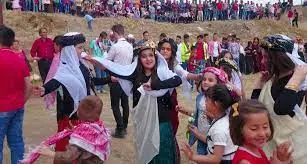
The Yazidi people are ethnically Kurdish, and they combine elements of Christianity and Islam. A part of the tour included seeing the upper level of their temple (a guard prevented us from accessing the lower level because that was only open to the Yazidi for prayer and worship). When we arrived at their community, the tour guide told us that we couldn’t wear shoes because it was the holy ground where Moses stood (we noticed that everyone was either barefoot or in socks). We went in, and towards the end of the tour, we saw a man collecting money. We were told we had to pay him to receive a blessing. I’d left my purse in the car, so I didn’t have any money in hand to ‘purchase my blessing’ and he glared at me. It was as though he was saying, ‘How dare you?’ My friend and I couldn’t stop laughing at the irony that even here, in a holy city, blessings were being sold.
Not so fond memory: Though this was shared, Kimberley decided to leave it out of the article as she did not want to offend any particular group of people or race.
Black people — did you see any?
There are many black people here. At my workplace, black people are in the minority of the teaching population, but throughout the country there are people from other African nations who are also here to work.
Sometimes the natives are unable to differentiate us from other nationalities. One day, I wore my curly wig, and I overheard the taxi driver telling his friend that he’s taking a Bangladeshi to the mall. Another time, I had straight hair while waiting for my friend in a restaurant. When he arrived, I heard the waiter telling him that his American friend was waiting.
Popular foods?
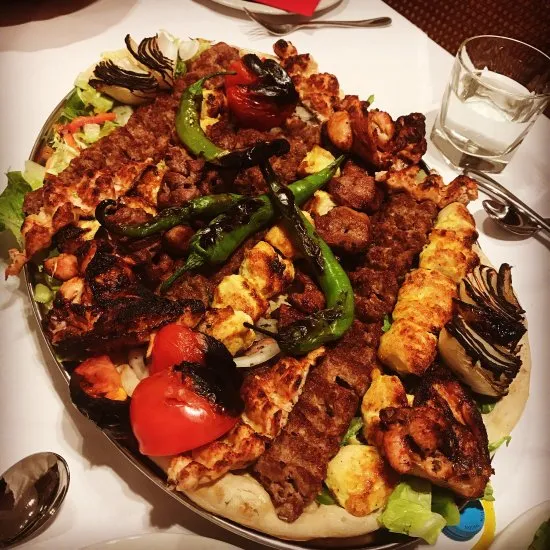
Popular foods would be dolma, shawarma, coal roasted fish, and lamb. My favourite is the beef and chicken shawarma (the most popular street food). It is a must-have when I go out on weekends. I’ve eaten shawarma from countless people, and I’ve never had a bad experience.
Fun facts about Kurdistan.
It isn’t strictly an Islamic region. It’s a pluralistic society; hence, there are many religious holidays celebrated nationally. There are Jews, Yazidis, Assyrian, as well as Chaldean Christians.
Social events are held from time to time, and every woman does not wear a hijab.
It’s a safe place. You can leave your purse or phone and still find it exactly where you left it.
Although drinking is haram (a sin by Islamic law), alcohol is served at some restaurants and there are many shops that sell alcoholic beverages.
There are numerous churches (even Pentecostal ones).
Locals place value on teachers and have a high respect for them.
A lot of people know about Jamaica and athletes such as Usain Bolt, Shelly-Ann Frazer-Pryce and Chris Gayle. A fun fact to add to this list of ‘fun facts’ is that I also got many discounts for claiming to know Usain Bolt.
They don’t consider themselves Iraqis. Why? For years Kurdistan has been trying to gain their independence from Iraq, but that has not borne fruit. They have their own flag and national anthem. Although the residency card says “Kurdistan-Iraq”, the Kurds will correct anyone who refers to them as Iraqis
They are heavy smokers.
There is a Jamaican restaurant here, and Babylon FM (a major radio station) plays Jamaican music on repeat.
After everything you’ve experienced, what would you want people to understand about Iraq that they might not get from the news?
Sometimes, the reality of a place looks nothing like the headlines. Iraq, like any country, is so much more than the stories we’re often told. There’s culture, warmth, community, and everyday life happening in ways people don’t always get to see.
Living here taught me that you can’t fully understand a place from a distance. You have to experience it by walking the streets, meet its people, and form your own perspective. That’s when you begin to see the full picture.
Remember to share this article on Facebook and other Social Media Platforms. To submit your own articles or to advertise with us please send us an EMAIL at: [email protected]

Post Comment