Jamaica Spends US$4.7 Billion on Imports in Seven Months

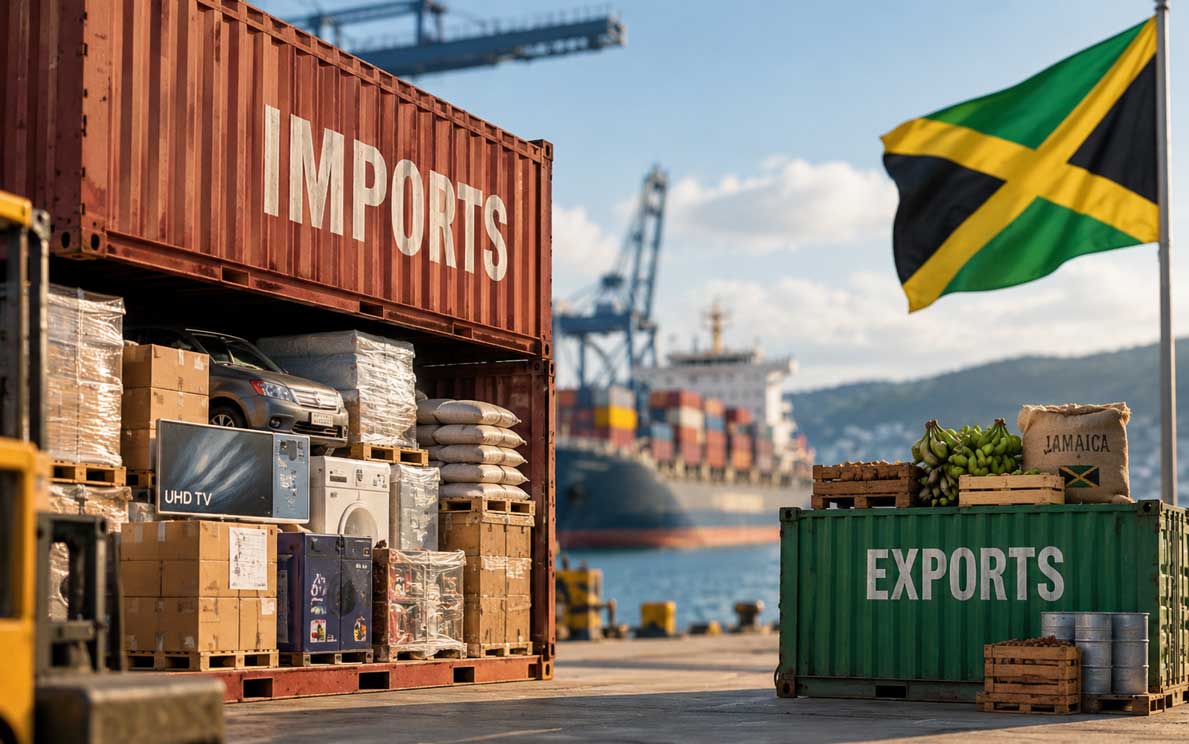
Jamaica recorded a 21 per cent increase in spending among its five largest import suppliers during the first seven months of 2026, with the United States and China leading the group.
Meanwhile, revenue generated from the country’s five main export destinations, headed by the United States and Russia, increased by 3.2 per cent. This followed a decline of more than 14 per cent during the first quarter.
The Statistical Institute of Jamaica (STATIN) reported the developments in trade figures released on Wednesday.
The figures also revealed a substantial reduction in earnings from crude materials, a category largely comprising bauxite. Revenue from these exports declined by 37.8 per cent between January and July, following a drop exceeding 50 per cent during the first two months.
Overall export performance showed a gradual improvement compared with the earlier months of the year.
Export earnings had fallen by 28.8 per cent during January and February. By March, the decline had moderated to 22.3 per cent, before narrowing to approximately 11 to 12 per cent during April and May.
At the end of July, the reduction in export revenue stood at 5.3 per cent.
Despite the smaller decline in exports, Jamaica’s merchandise trade deficit reached US$3.722 billion over the January-to-July period, widening by approximately US$254 million compared with the corresponding period in 2025.
Total imports amounted to US$4.715 billion, while export receipts were valued at US$993 million. The figures indicate that Jamaica spent almost US$5 on imported goods for every US$1 received from exports.
Import expenditure followed a different pattern earlier in the year.
During January and February, the value of goods imported into Jamaica decreased by 8.1 per cent, reflecting lower expenditure on fuel.
That contraction narrowed to 1.3 per cent by March before import spending returned to growth in April.
By July, imports had increased by 4.4 per cent, with higher expenditure on raw materials, fuels and lubricants contributing to the rise.
STATIN did not provide an explanation for the changes recorded in the country’s trade figures.
Remember to share this article on Facebook and other Social Media Platforms. To submit your own articles or to advertise with us please send us an EMAIL at: [email protected]



Post Comment