UN: Hurricane Melissa Leaves Historic Damage Trail Across Jamaica

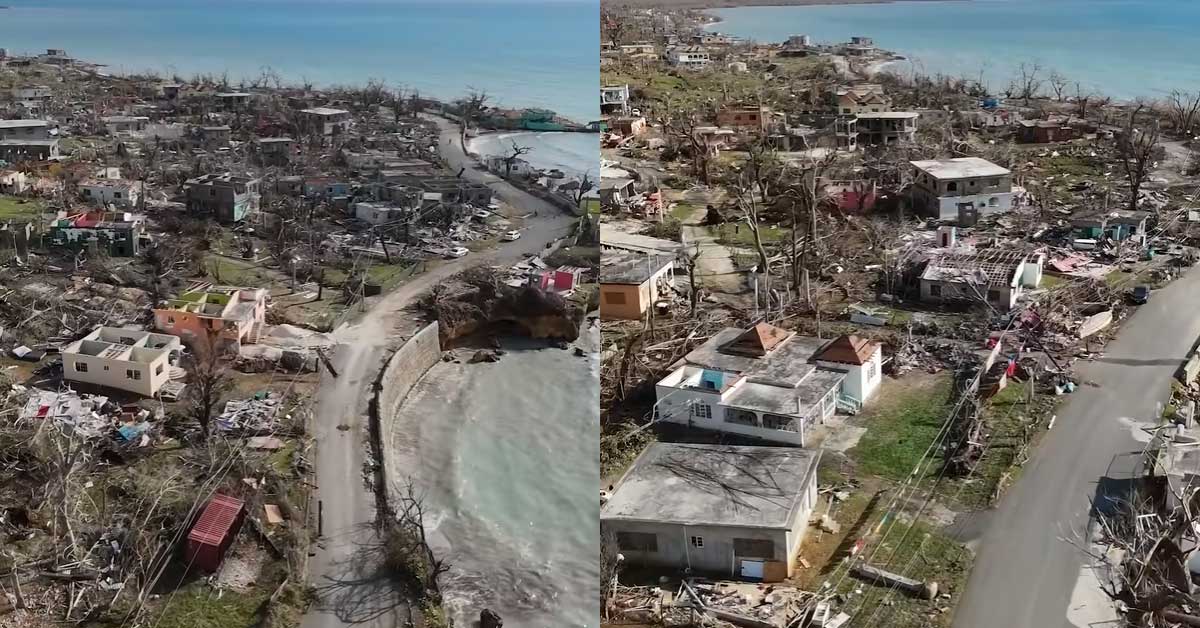
Jamaica continues to reel from the effects of Hurricane Melissa, which struck nearly fifty days ago, leaving destruction officials describe as historic.
The United Nations has estimated the total losses between $8 billion and $15 billion, amounting to almost a quarter of the island’s GDP.
Dennis Zulu, the UN Resident Coordinator for Jamaica, The Bahamas, Bermuda, the Cayman Islands, and Turks and Caicos, noted the storm’s human and economic toll has been profound.
More than 626,000 residents were affected, and 45 lives were claimed as the Category-five hurricane swept across the island.
Despite ongoing relief efforts, about 90 emergency shelters remain active, accommodating nearly 950 people who cannot yet return to their homes.
Communities in southwestern Jamaica are still exposed, with an estimated 120,000 buildings missing roofs or sustaining severe damage.
Electricity outages plagued western parishes for weeks, Zulu reported, highlighting the prolonged disruption of essential services caused by the hurricane.
The nation’s education system has been severely impacted, with roughly 450 schools—around two-thirds of all institutions—suffering major structural damage, including roof loss and other critical impairments.
Agriculture and tourism, key pillars of Jamaica’s economy and major employers, faced widespread destruction, endangering thousands of jobs and slowing recovery.
“This scale of destruction has not only been unprecedented, but it has also really reversed hard-won development gains in a country that was firmly on a positive social and economic trajectory,” Zulu said.
Ongoing UN efforts focus on restoring health services, supporting schools’ reopening, and assisting communities without essential services.
Reconstruction priorities include repairing homes, roads, and infrastructure, while targeted support aims to revive small farmers, fishers, and micro and small enterprises.
Food security and rural employment are key concerns as the agriculture sector is rebuilt, and the tourism industry is being supported to safeguard jobs and foreign exchange.
Inclusive, climate-resilient, and risk-informed recovery strategies are emphasised to ensure Jamaica rebuilds stronger and more prepared for future disasters.
Remember to share this article on Facebook and other Social Media Platforms. To submit your own articles or to advertise with us please send us an EMAIL at: [email protected]



Post Comment