Jamaica Climbs Global Happiness Rankings in 2026 UN Report

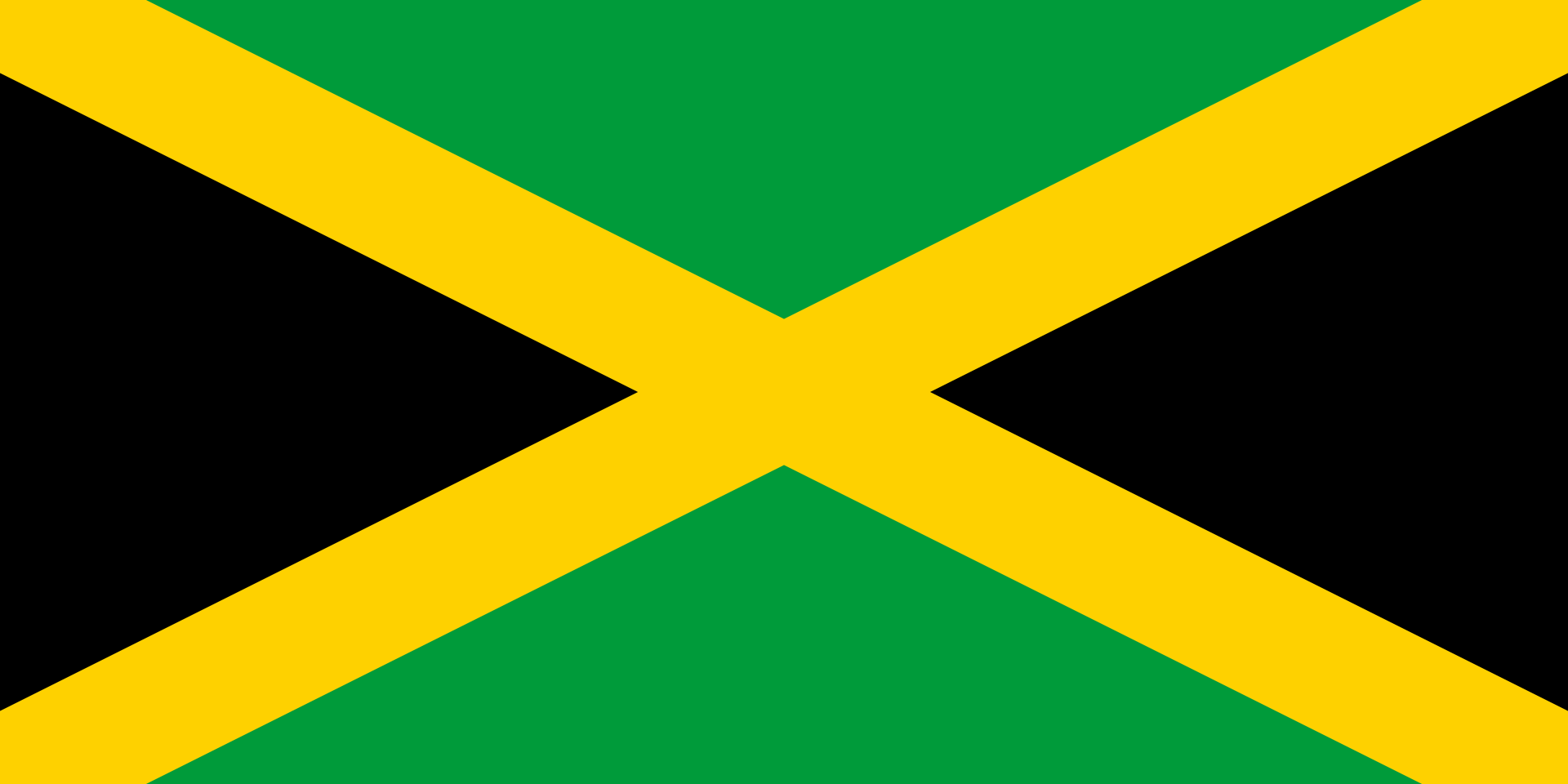
An improvement in national life satisfaction has pushed Jamaica higher in the World Happiness Report 2026, despite the impact of recent hurricane damage.
Compared with many of its regional counterparts, the country maintained a solid position as global tensions and social media concerns weigh on well-being elsewhere.
At 49th out of 147 countries, Jamaica recorded a life evaluation score of 6.305, placing it in the top third globally and ahead of Chile (50th), the Dominican Republic (64th), and Trinidad and Tobago (76th), while Barbados and Guyana were not included.
Up from 73rd in 2025, the island’s ranking shift—paired with a 0.931-point increase—signals a more favourable assessment of life among respondents.
Released on March 19 to mark the United Nations’ International Day of Happiness, the report is produced by the Wellbeing Research Centre at the University of Oxford in collaboration with Gallup and the UN Sustainable Development Solutions Network.
Using three-year averages from the Gallup World Poll, participants evaluate their lives on the Cantril ladder, a scale ranging from zero to 10.
While rankings are based solely on self-reported life evaluations, six supporting indicators—income, social support, health, freedom, generosity, and corruption perceptions—help explain national differences.
Across these measures, Jamaica showed mixed results, ranking 84th for GDP per capita, 76th for healthy life expectancy, and 50th for freedom.
Stronger performance emerged in social support, where Jamaica placed 24th, reflecting extended family structures common across the Caribbean.
On the other hand, perceptions of corruption remained a challenge, with the country positioned 88th globally.
Globally, rising conflict and growing social media isolation were identified as pressures affecting happiness levels.
At the top of the rankings, Finland secured first place for a ninth consecutive year with a score of 7.764, followed by Iceland and Denmark.
Meanwhile, Costa Rica reached fourth, its highest-ever position, continuing a steady climb from 23rd in 2023 and becoming the top-ranked Latin American country.
“The global evidence makes clear that the links between social media use and our well-being heavily depend on what platforms we are using, who is using them and how, as well as for how long,” stated Jan-Emmanuel De Neve.
For Jamaica, increasing smartphone access and rising social media use among younger populations may present future risks to well-being trends.
Relative to larger economies, Jamaica’s position compares favourably, with the United States ranked 23rd, Canada 25th, and the United Kingdom 29th, while Israel placed 8th.
Although the gap between Jamaica and top-ranked Finland is under 1.5 points, a far wider divide exists between the highest and lowest performers.
At the bottom, Afghanistan ranked 147th with a score of 1.446, followed by Sierra Leone (146th) and Malawi (145th), reflecting the effects of conflict and instability.
Based on more than 100,000 responses across countries, the rankings rely on three-year averages of life evaluations rather than direct causal measures.
Focusing on younger demographics, the report highlighted declines in well-being linked to heavy social media use in English-speaking countries and Western Europe.
In contrast, while youth happiness fell by 0.86 points over the past decade in countries such as the United States, Canada, Australia, and New Zealand, improvements were recorded elsewhere.
Overall, global happiness has risen over time, with 79 countries reporting gains since 2006–2010 compared with 41 experiencing declines.
Remember to share this article on Facebook and other Social Media Platforms. To submit your own articles or to advertise with us please send us an EMAIL at: [email protected]



Post Comment