Holness Says Jamaica Needs Up to $7 Trillion to Fix Entire Road Network

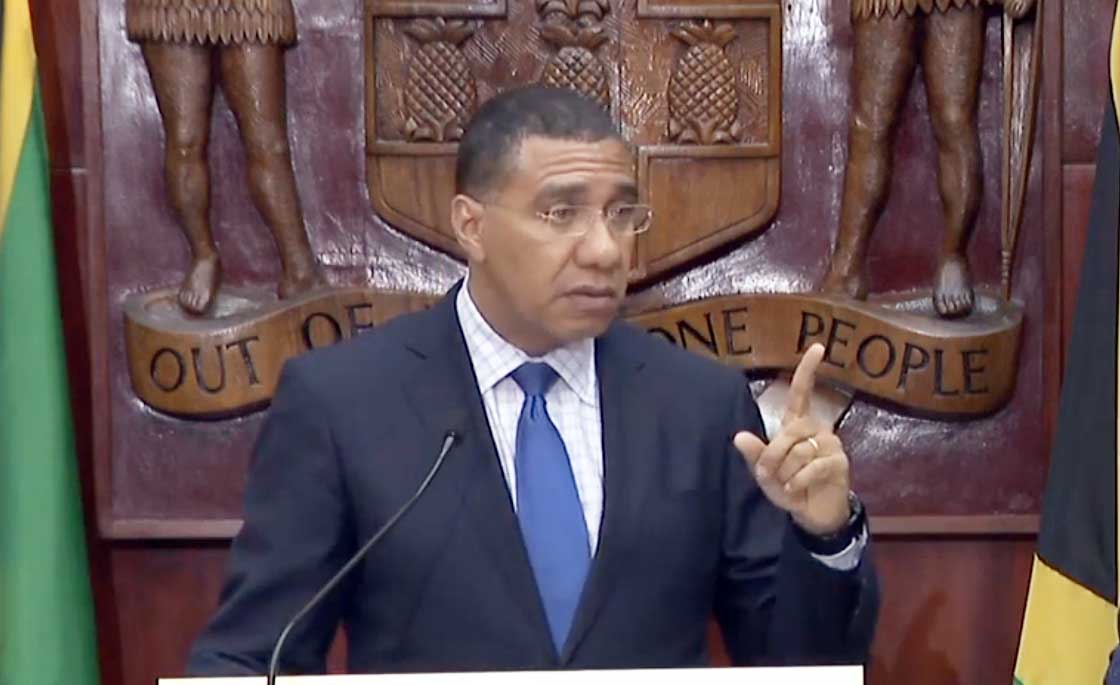
Prime Minister Dr Andrew Holness says restoring Jamaica’s entire road network would require an estimated $5 trillion to $7 trillion, a figure he said is equivalent to dedicating the country’s entire national budget for about five consecutive years to road repairs alone.
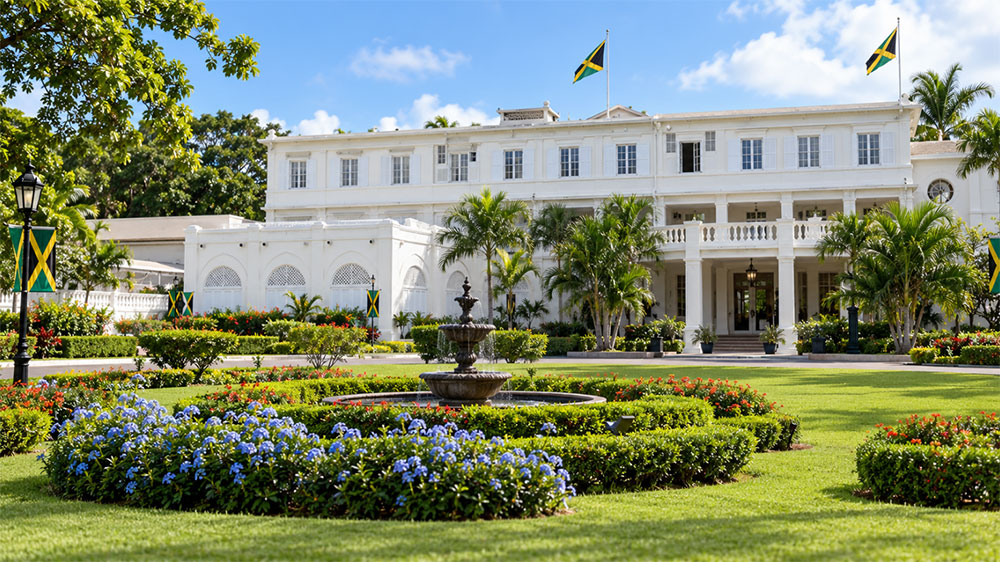
Speaking during the launch of the main road component of the Government’s Shared Prosperity through Accelerated Improvement to our Road Network (SPARK) programme at Jamaica House on Thursday, Holness said the scale of the country’s road infrastructure challenges far exceeds available resources, despite ongoing complaints from the public about deteriorating road conditions.
He explained that another major challenge is the limited capacity of the local construction industry. According to the prime minister, Jamaica does not currently have enough contractors to undertake large-scale rehabilitation projects simultaneously, prompting the Government to explore ways of strengthening the sector.
Holness said greater emphasis must be placed on developing contractors into well-established corporate entities with the financial strength, equipment and organisational capacity to successfully deliver major infrastructure projects. While noting that some firms already operate at that level, he said others still need to improve.
Meanwhile, taxpayers are expected to fund approximately $25 billion for the next phase of the SPARK programme, which will focus on rehabilitating 37 major roads across 11 parishes, together with associated bridges and gullies.
Works Minister Robert Morgan said the programme represents the first time more than 300 community roads and 37 major road projects have been publicly identified as priority rehabilitation works. He also indicated that two grade-separated projects are planned to help ease congestion within the Corporate Area.
Morgan stressed that the initiative is intended to deliver lasting improvements rather than temporary resurfacing.
He said failing road foundations, inadequate drainage systems, waterlines, culverts, retaining walls, sidewalks, road markings and other safety features would all be addressed before final paving to improve the durability of the finished roads. He added that the National Works Agency, contractors and consultants would all be expected to meet strict design, supervision, testing and quality standards.
Among the projects announced are six major road corridors in St Andrew, including Molynes Road between Half-Way Tree and Washington Boulevard, Seaward Drive to Olympic Way, Red Hills Road from Perkins Boulevard to Swain Spring Road, Stony Hill Road to Golden Spring, Cooperidge to Gordon Town to Mavis Bank Road, and Oxford Road.
The programme also includes rehabilitation along the North Coast Highway and connecting sections between Montego Bay and Lucea in St James and Hanover, corridors linking Ocho Rios and Port Maria in St Ann and St Mary, routes serving May Pen and Mandeville in Clarendon and Manchester, including Spalding to Cave Valley and Greenvale to Spur Tree, as well as nine major roads in St Catherine, including the Spanish Town Bypass from Twickenham Park through the Old Harbour Round-a-bout to Brunswick.
Holness and Morgan both maintained that the decision to move into the next phase of SPARK was not driven by recent public protests or dissatisfaction over road conditions.
The SPARK programme, valued at $45 billion, was first introduced in December 2024, with its initial phase concentrating on community roads. Work under the newly launched main road component is expected to be completed within approximately 15 months, while the earlier community road programme continues.
Remember to share this article on Facebook and other Social Media Platforms. To submit your own articles or to advertise with us please send us an EMAIL at: [email protected]


Post Comment