Hydrocarbon Findings Suggest Offshore Jamaica Oil Potential

United Oil & Gas Plc says recent findings have strengthened its internal modelling and will feed directly into ongoing farm-out negotiations and technical evaluations tied to its offshore Jamaica licence.
The company indicated that the results will play a role in shaping its geological interpretation and risk assessments, as it moves closer to determining whether to proceed with drilling activities.
Chief executive Brian Larkin noted that the detection of specific hydrocarbons has improved the company’s understanding of the acreage and contributes to its forward planning. He also indicated that these findings form part of the broader subsurface work being advanced alongside discussions with potential partners.
Analysis carried out on 42 piston core samples revealed the presence of C4 and C5 hydrocarbons, including butanes and pentanes, within selected datasets. The company explained that these compounds are generally not linked to biogenic gas systems, suggesting instead a thermogenic origin.
According to United Oil & Gas, the identification of these hydrocarbons supports the view that an active petroleum system may exist offshore Jamaica. The company added that multiple datasets collectively point in that direction.
It further outlined that evidence supporting this interpretation includes recurring satellite-detected slick anomalies, hydrocarbon data from both onshore and offshore wells, known oil seeps, and exposed surface formations on land. In addition, modelling work has indicated the likely presence of mature source rocks capable of generating oil.
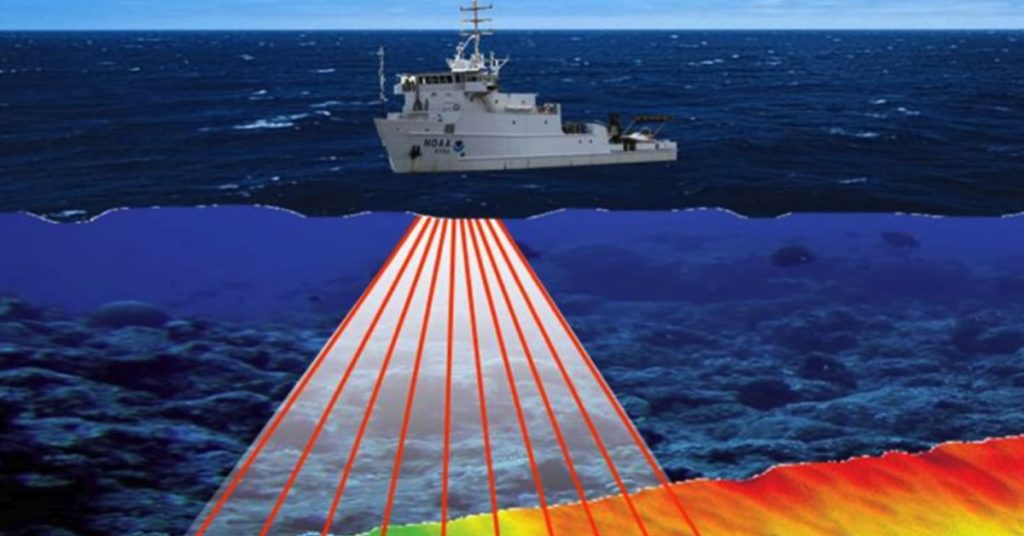
The company also highlighted that its 2026 seabed geochemical exploration programme marked the first time survey locations were selected using an integrated approach combining 3D seismic data, multibeam seabed mapping, and satellite-derived information.
United Oil & Gas stated that when these datasets are assessed together, they align with the interpretation of an active petroleum system within the licence area.
The firm estimates that the Walton-Morant Licence may contain approximately 7 billion barrels of prospective resources, positioning it as a significant exploration asset within its portfolio, alongside its UK development interests.
The company also confirmed that the technical information released has been reviewed by Paul Ryan, an industry professional with more than two decades of experience, who meets the qualification standards set out by the London Stock Exchange for oil and gas disclosures.
The update was issued through a regulatory announcement, following the completion of analysis linked to the company’s seabed geochemical survey conducted offshore Jamaica.
Remember to share this article on Facebook and other Social Media Platforms. To submit your own articles or to advertise with us please send us an EMAIL at: [email protected]




Post Comment